Throughout 2025, researchers at the Cheriton School of Computer Science had a productive year of breakthroughs, entrepreneurship, and community building. From discovering cybersecurity risks to creating novel accessibility technology, Cheriton faculty, students and alumni advanced the boundaries of curiosity and discovery.
To celebrate, we have provided a snapshot from each month.
January: Shedding computational light on early invasive skin melanoma

PhD alum Petri Matthew Varsa and Professor Gladimir V. G. Baranoski computationally modelled changes expected in the dermis during early stages of invasive skin of melanoma, the deadliest form of skin cancer.
Treatments for melanoma are most effective during the disease’s initial stages. However, melanoma starts growing beneath the surface of the skin, making it difficult to see with the naked eye. Once the cancer spreads, it becomes much more difficult to treat.
The researchers developed computational models of the skin to simulate the complex biophysical changes during the tumour’s initial stages. Their research holds the potential to improve non-invasive diagnostic methods.
February: New platform helps evaluate AI for complex computer use
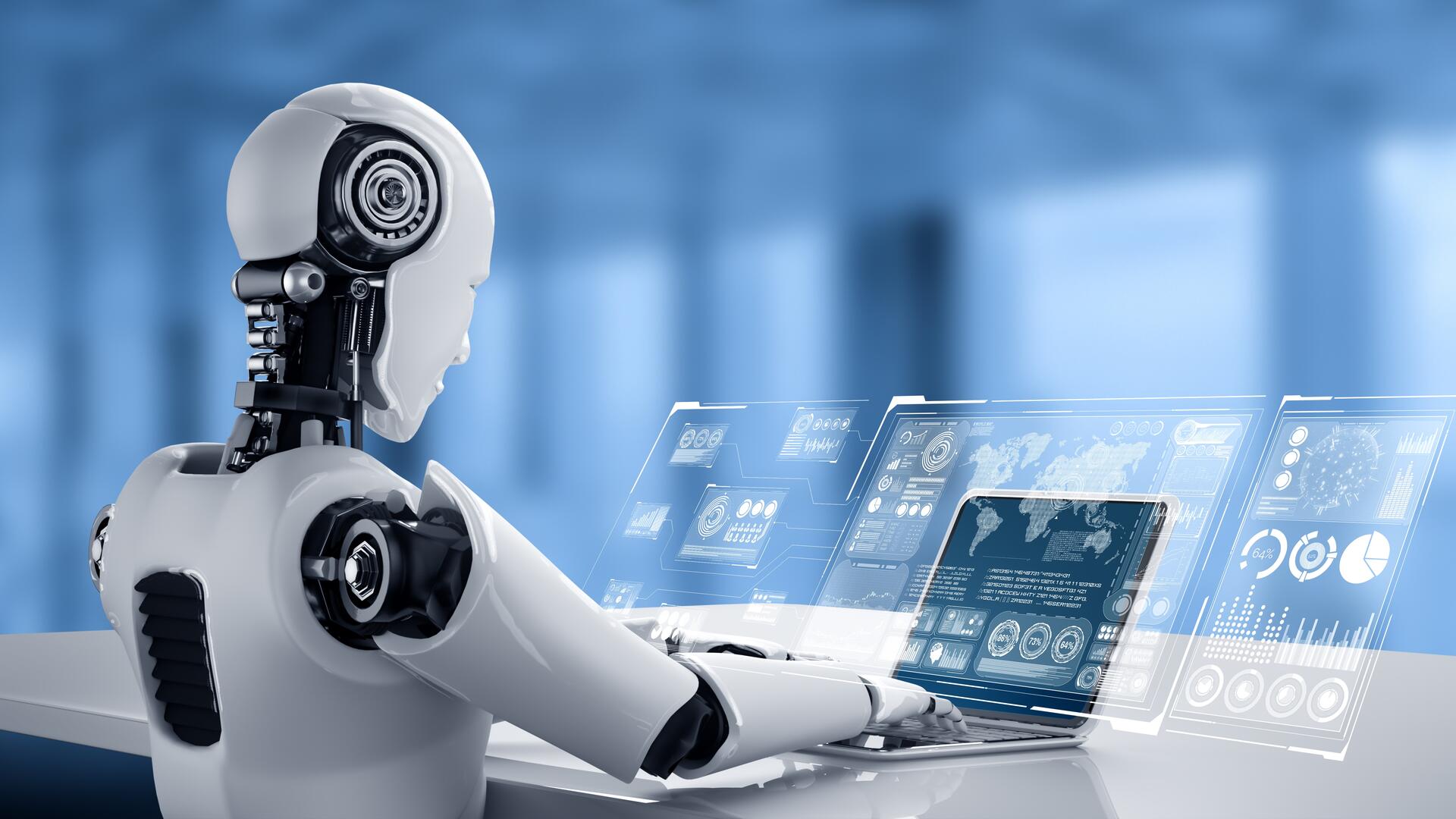
Imagine asking AI to plan your trip itinerary, book and pay for all your flights, and arrange your airport transport — all within a single click. Professor Victor Zhong is part of an international research team that is bringing this idea to life.
Professor Zhong co-created Computer Agent Arena, a dynamic platform that can help build stronger AI models by assessing its ability to perform real-world tasks like web browsing and coding.
March: Shoot for the Stars, Aim for the Moon

In our International Women’s Day feature, Professor Jo Atlee recounted her experience as a woman student in science, technology, engineering and math during the 1980s. It was her “moonshot mindset” that pushed her to foster equity-based initiatives, like Waterloo’s Women in Computer Science (WiCS). For over 30 years, she has helped cultivate networking and community-building hubs for women in STEM.
“International Women’s Day is an opportunity to raise awareness about the cultural obstacles that women face. But really, it’s about celebrating what women have accomplished and can accomplish,” says Professor Atlee.
April: New AI system turns sketches into code
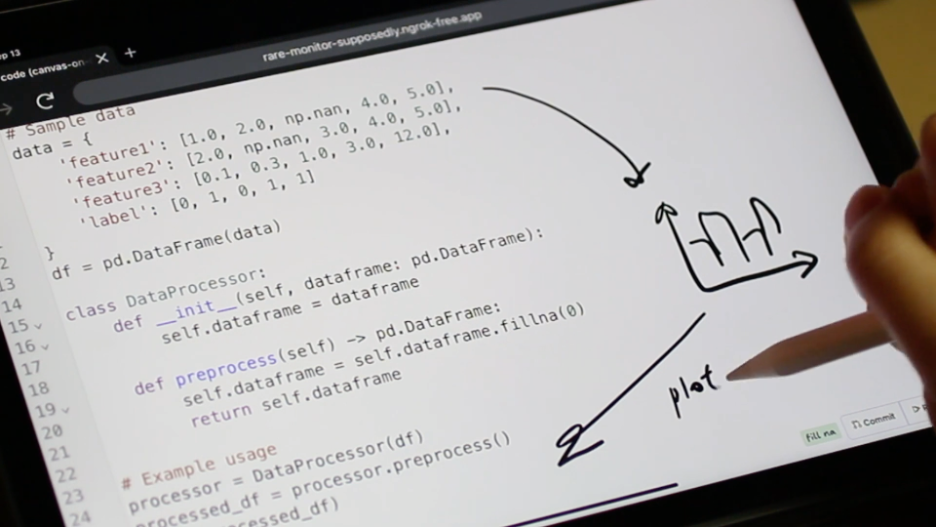
Instead of typing furiously and constantly hitting backspace, what if you could code by just drawing out your ideas?
This vision is becoming a reality thanks to alum Ryan Yen and Professors Jian Zhao and Daniel Vogel. During his master’s, Ryan co-developed Code Shaping, an AI-powered software that allows programmers to edit their code through free-form sketches.
This innovative work also won a Best Paper Award at the 2025 ACM Conference on Human Factors in Computing Systems.
May: Making VR more accessible

PhD alum Johann Wentzel led a research team that is making virtual reality (VR) games more accessible to people with mobility limitations.
“VR games are a lot of fun, and they’re important social spaces, especially for younger generations,” said Johann. “However, VR technology relies on a lot of large movements, which creates a barrier for people who can’t complete them. As soon as you have an application that isn’t accessible to everyone, you’re functionally excluding people with disabilities from these social spaces.”
Their tool, MotionBlocks, allows users to customize the game’s controls to fit the movements they can do.
June: Stuck on that paper? AI tool suggests citations and autocompletes writing
Ever spent hours browsing through multiple websites because you can’t find the right source for your essay?
PhD student Yubo Wang co-created ScholarCopilot alongside researchers from Waterloo and Carnegie Mellon University. This AI-powered software can autocomplete writing and suggest citations — making academic writing faster, smoother, and less stressful.
ScholarCopilot ensures accurate and relevant citations, a step up from other AI tools that often retrieve irrelevant citations or hallucinate sources.
July: Watermarks offer no defence against deepfakes

In our AI-driven world, how secure are watermarks on deepfakes? PhD candidate Andre Kassis and Professor Urs Hengartner put this to the test by creating UnMarker. This tool can successfully remove watermarks, without the user needing to know its design or whether the image was watermarked to begin with.
“If we can figure this out, so can malicious actors,” Andre said. “Watermarking is being promoted as this perfect solution, but we’ve shown that this technology is breakable. Deepfakes are still a huge threat. We live in an era where you can’t really trust what you see anymore.”
August: You’re better at spotting malware than you think

In a first-of-its-kind study, Professor Vogel teamed up with cybersecurity researchers from the University of Guelph to examine people’s ability to detect malware. During the experiment, participants had to respond to real-time requests for legitimate and malicious software downloads in an office-like simulation.
Surprisingly, the users, who ranged from tech novices to experts, identified malware with 75 per cent accuracy. This study shows that the average person is better at spotting malware than we may think.
September: Robots are prone to privacy leaks despite encryption

A Waterloo research team investigated security risks in collaborative robots, which are increasingly employed in hospitals and manufacturing firms.
Their research technique was able to identify a robot’s actions 97 per cent of the time — even when commands are encrypted.
This trailblazing study earned Computer Science Professors Diogo Barradas and Urs Hengartner, Mechanical and Mechatronics Engineering Professor Yue Hu, and undergraduate engineering student Cheng Tang the Best Research Paper Award at the 20th International Conference on Availability, Reliability and Security.4
October: The future of work and learning

Google and Waterloo launched a new partnership that included a $1M investment to create the Google Chair in the Future of Work and Learning. Endowed to Computer Science Professor Edith Law, this research chair supports a broader initiative, the Future of Work Institute.
At the heart of this collaboration is reimagining education and career development in an AI-driven world, research being conducted at the new Future of Work Institute.
“I am honoured to have the opportunity to work with Google to explore how we can best design tools and environments for learning, taking full advantage of AI’s potential while being cognizant of its risks,” says Professor Law.
November: From the clinic to the living room
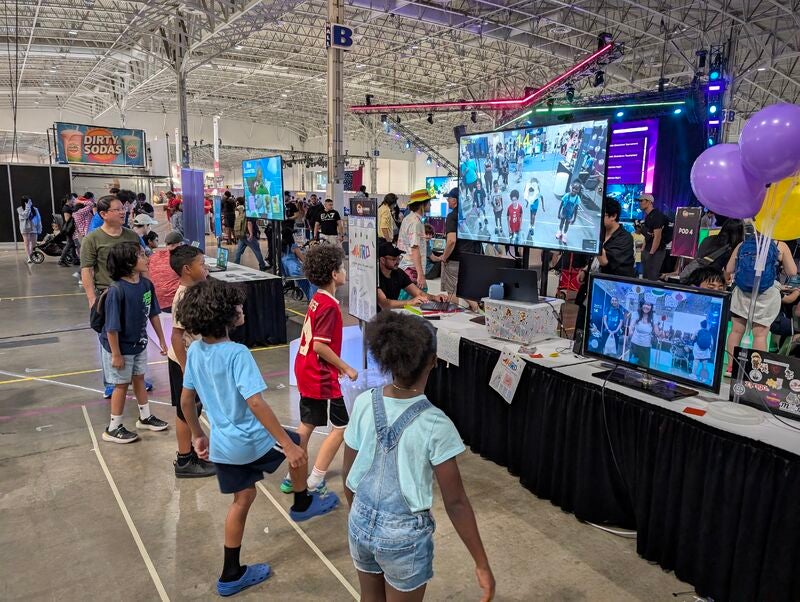
Children with disabilities typically visit a physiotherapist and replicate their exercises at home to support their mobility. Unfortunately, some children may find these at-home activities challenging, leading to low motivation to complete them.
Inspired by his son’s journey with physiotherapy, PhD student Tamer Shahin co-founded Hiro alongside engineering alum Jerry Chen. Using the power of AI, Hiro transforms these physiotherapy exercises into imaginative and whimsical games.
Hiro aims to bring fun back into a child’s life, which is their most important job, according to the co-founders.
December: Waterloo Blockchain showcases student success
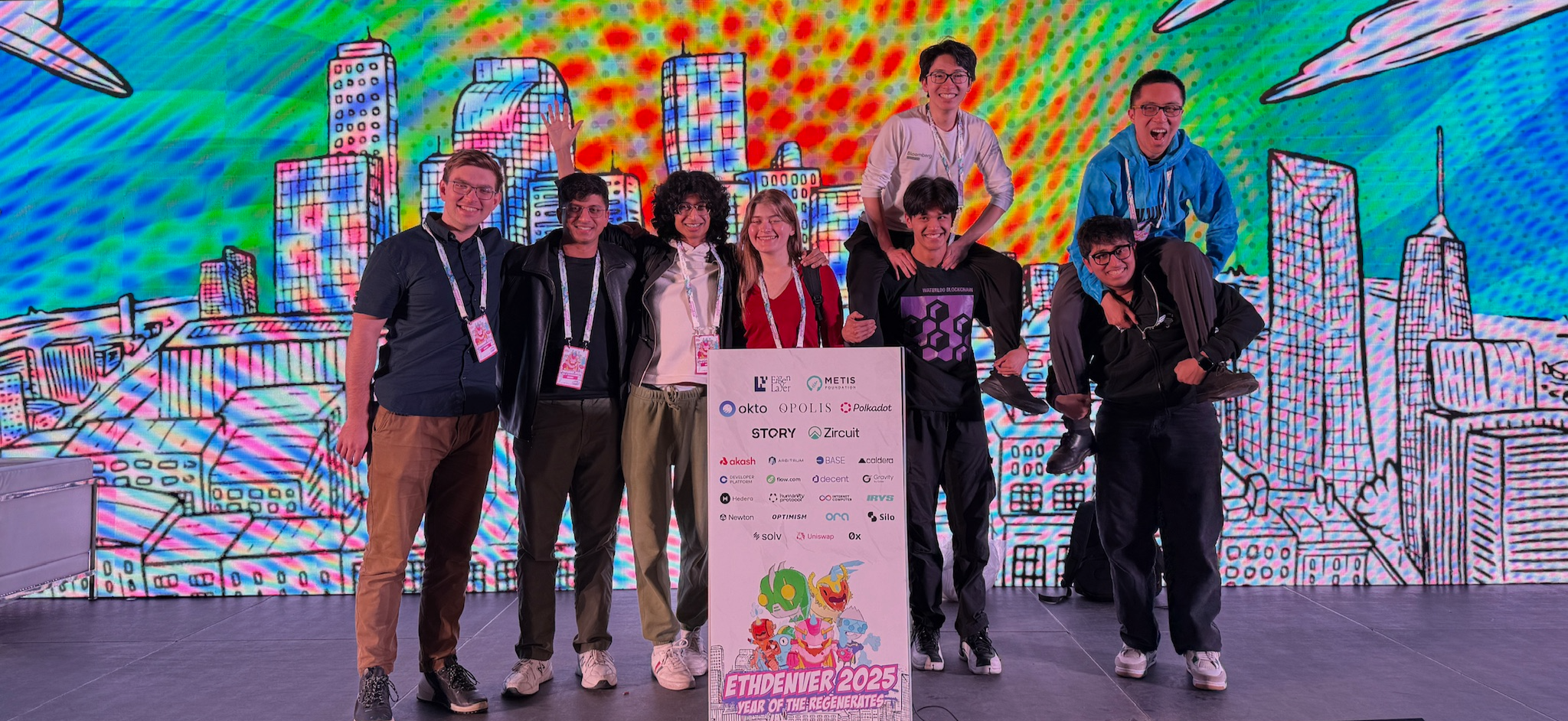
Waterloo Blockchain club had a standout year in 2025, winning approximately $100K USD at ETHDenver 2025 and $25,850 USD at ETHGlobal Buenos Aires.
Throughout ETHGlobal Buenos Aires, our students built innovative blockchain-based platforms from finance to prediction markets. They tested their creativity and resilience while well-representing Waterloo on the global stage.