This Sunday, March 8 is International Women’s Day, a global event that recognizes the achievements of women around the world.
To celebrate, the Cheriton School of Computer Science is highlighting the research discoveries, achievements and entrepreneurial successes of women students, faculty members and alumni over the past year.
From the ER to Y Combinator
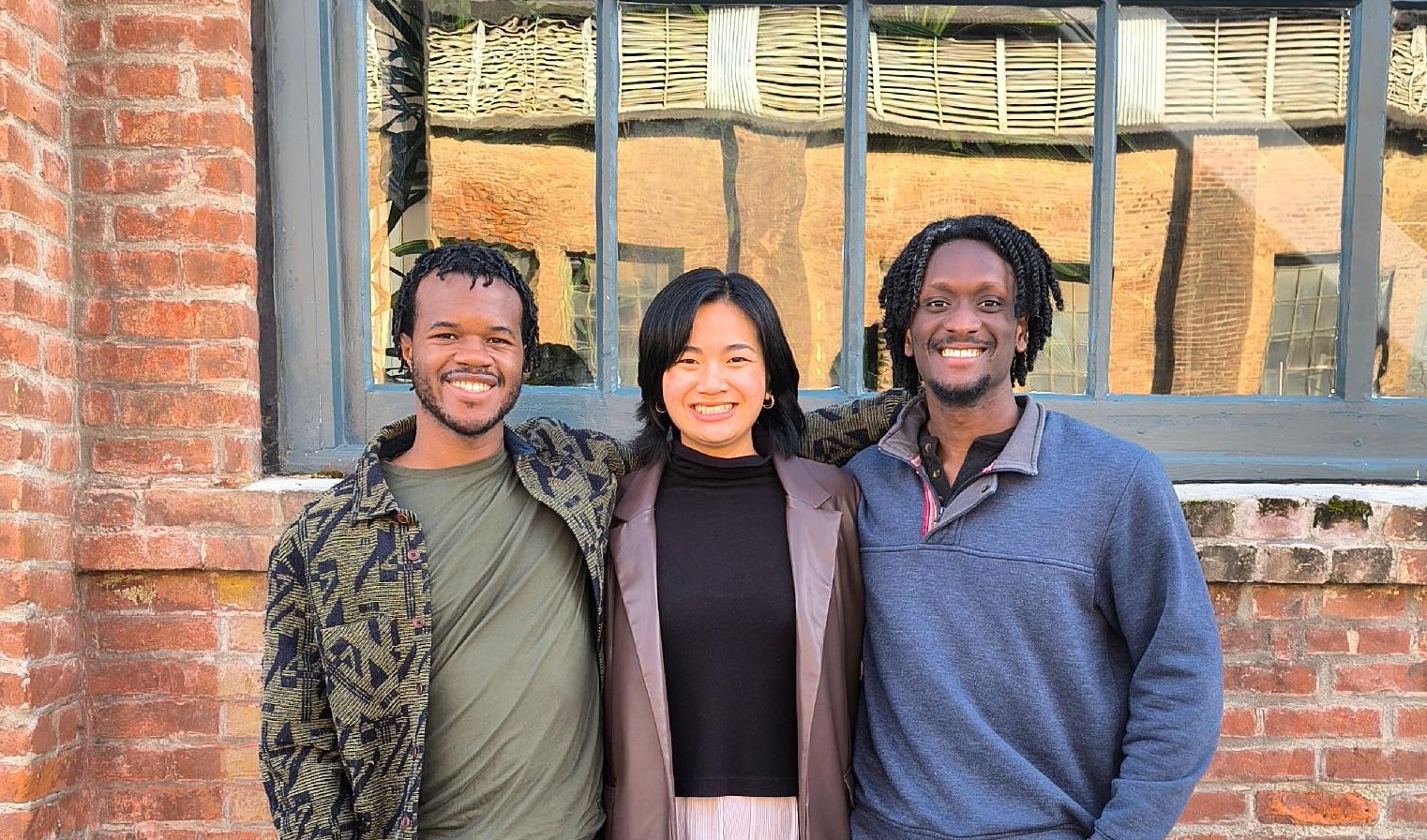
Shortly after graduating, Kristy Gao (BCS ’22) was involved in an accident in San Francisco. This experience exposed her to complexities of the American healthcare system, along with patient referrals that are often backlogged by outdated technology like fax machines.
This experience inspired Kristy to co-found Cenote, a start-up that uses AI to automate back-office tasks for specialist medical clinics, helping to deliver patient care faster and more efficiently.
Last winter, Cenote was accepted into Y Combinator, the world’s largest and most competitive startup accelerator, where it received $500,000 in seed funding.
In our Q&A, Kristy reflects on her journey to Y Combinator, her passion for diversity, equity and inclusion initiatives, and taking risks.
“Leaving behind a job and a lifestyle that you've had for a few years, to start a company is a scary thing to do,” Kristy says. “But what I also thought was scary is, if I'd regret not trying.”
Accelerating blood stem cell analysis
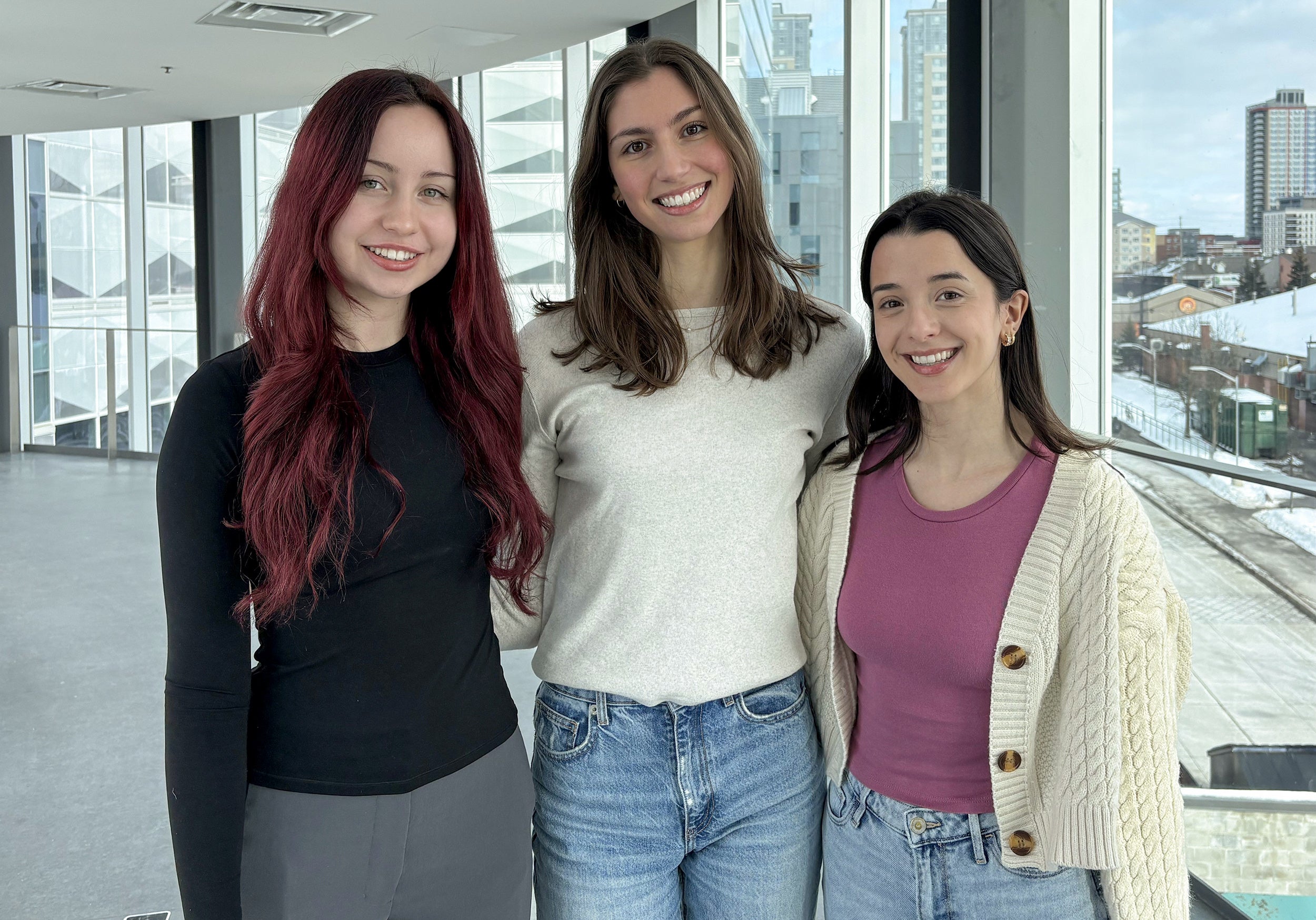
What happens when a biochemistry student teams up with two computer science students in an interdisciplinary capstone design course at the University of Waterloo? The result is a novel tool that could accelerate blood stem cell discoveries and possibly contribute to new clinical treatments.
Hematopoietic stem cells are responsible for producing all types of blood cells. These cells are central to maintaining blood and immune system health. But if they do not function as they should, they can contribute to immunodeficiency diseases and cancers of the blood.
Researchers often use bioimage analysis assess a blood cell’s stemness, its ability to remain a stem cell versus one that has differentiated into a type of blood cell. However, the software to classify cells is labour-intensive and time-consuming to use.
To address this challenge, computer science alumni Veronika Sustrova (BCS ’25) and Katarina Makivic (BCS ’25), along with biochemistry graduate Isabella Di Biasio (BSc ’25), worked with researchers at Princess Margaret Cancer Centre to develop a solution. Using machine learning and a domain-specific language designed for hematopoietic stem cells analysis, they developed a tool could make image-processing scripting and microscopic identification of blood stem cells easier and faster.
Gamifying AI
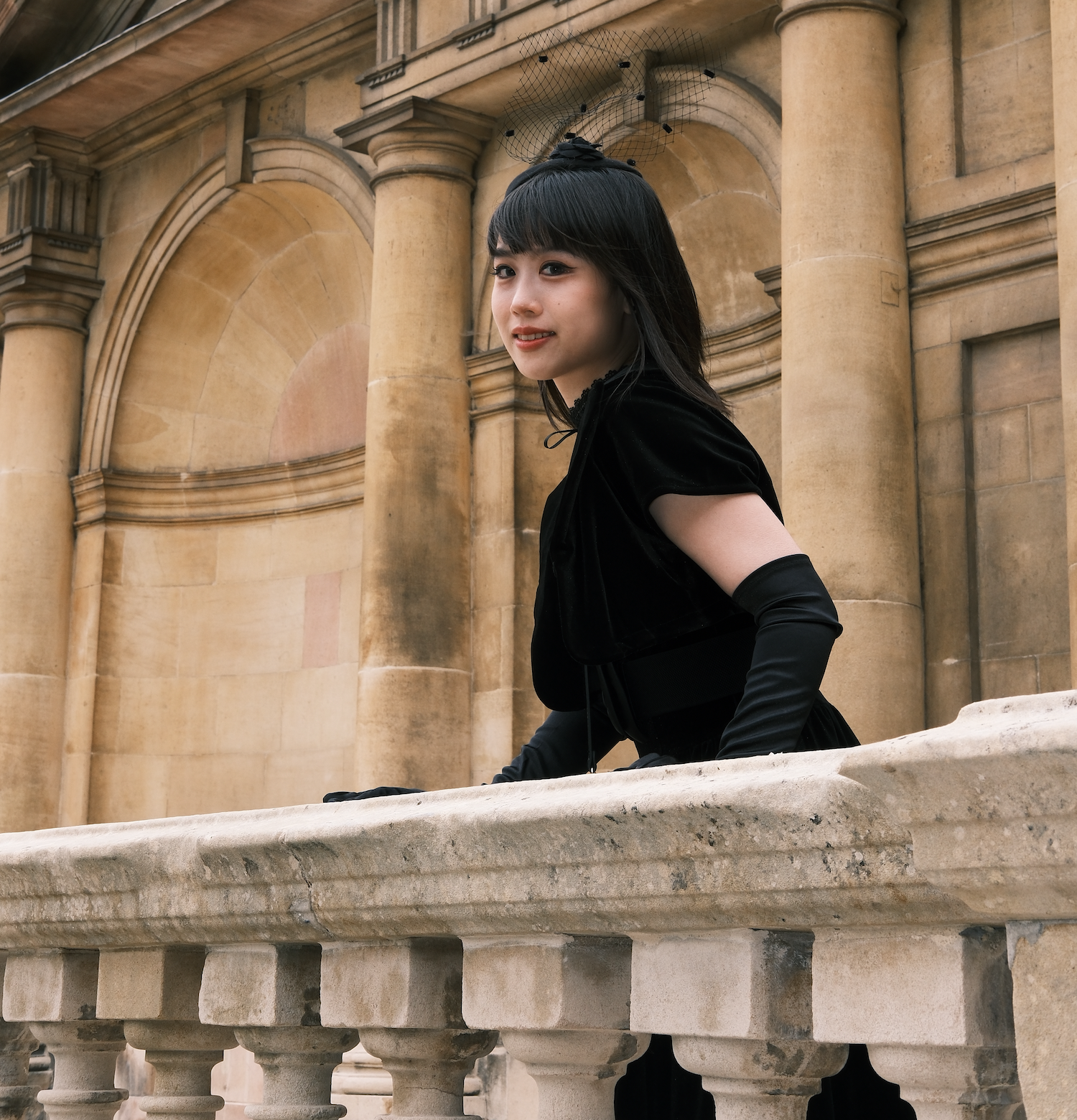
Imagine if Squidward or an anime villain explained to you how AI works. That’s the vision of PhD student, Yuzhe You.
AI is transforming everyday life, from healthcare to transportation. Yet many are largely unaware how it functions and makes decisions, leading to misuse and mistrust. Although tools like explainable AI can visualize AI models, they are often designed with experts in mind.
Yuzhe is applying gaming principles to make explainable AI more meaningful and accessible for non-technical users. One of her prototypes uses non-playable characters to explain data points or interface features to a user.
To support her innovative work, the artist-turned-computer scientist has received $145,000 from various scholarships and government funds.
Empowering children with Autism via AR
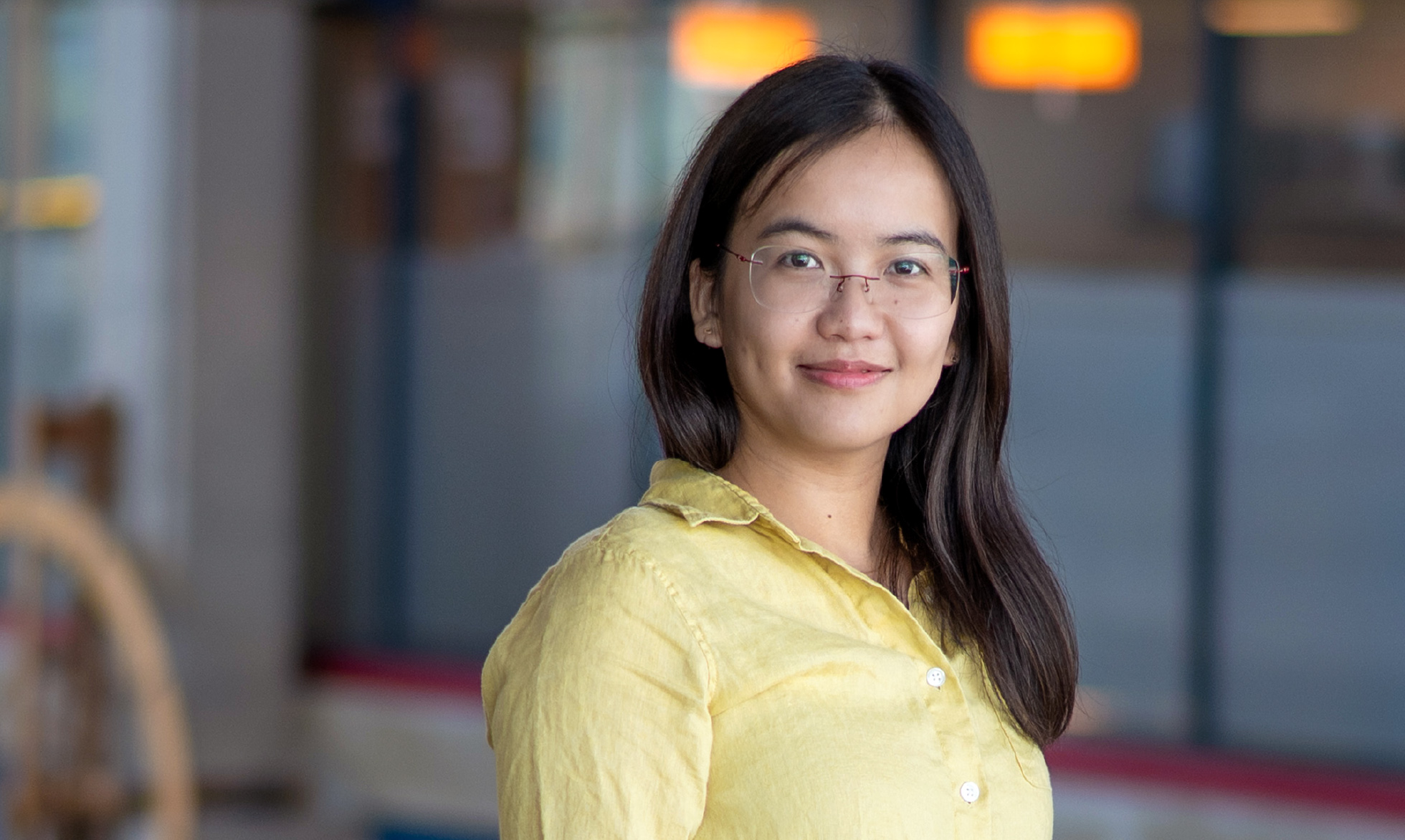
Some children with autism spectrum disorder face barriers when accessing services. And because society often places the burden of adaptation on autistic individuals themselves, many must adapt or conform to be accepted.
PhD student Yue Lyu is empowering children with autism through interactive games, which she co-developed with the autistic community. She designed EMooly, a storytelling-based game that allows autistic children and their caregivers to practice emotional recognition. She also created Eggly, which infuses augmented reality and neurofeedback training to encourage users to engage with the characters’ social interactions by granting rewards.
Her long-term vision could save an estimated $1.4 billion in educational expenses in Ontario.
Leading the Future of Work and Learning
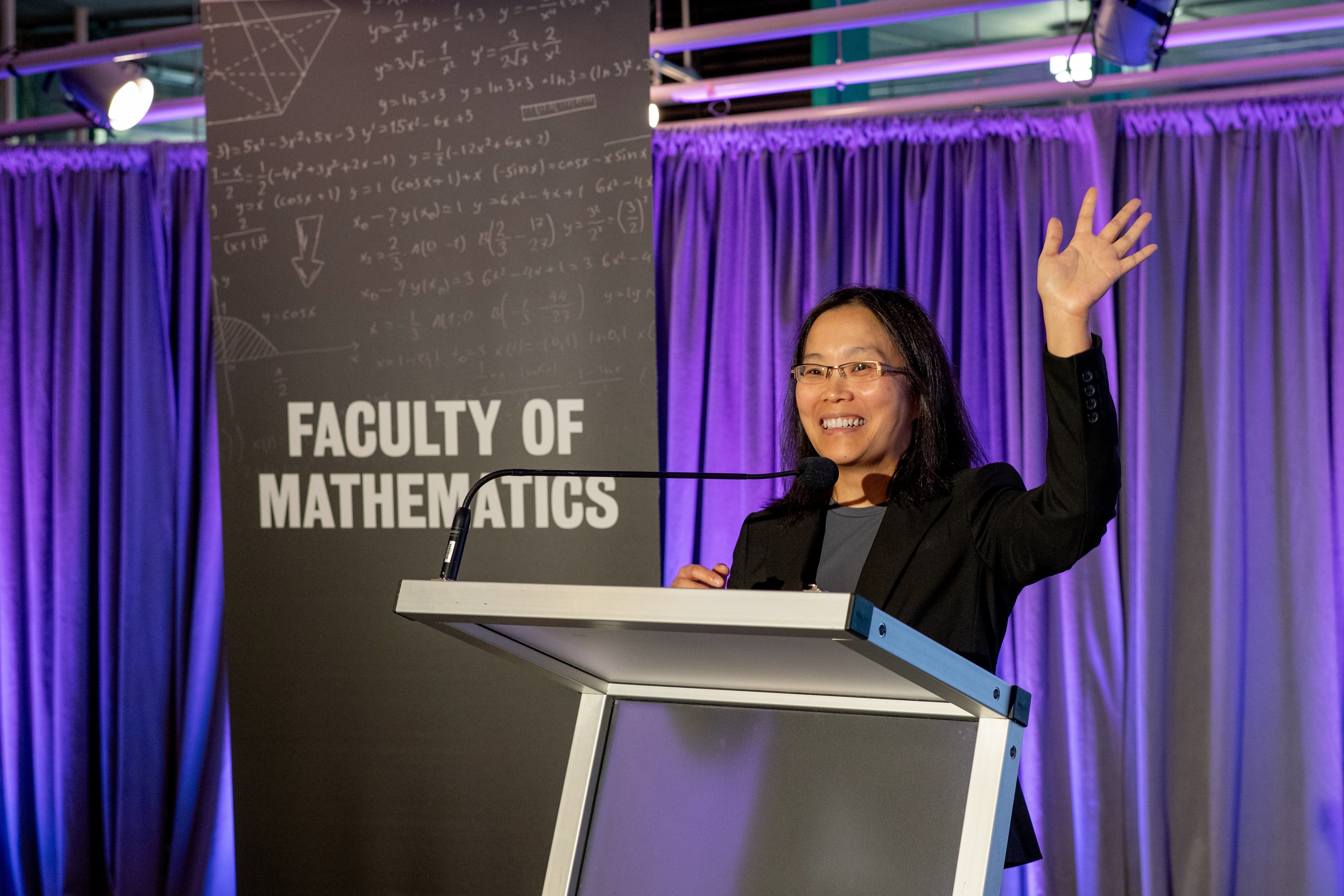
Last October, Professor Edith Law was named the Google Chair in the Future of Work and Learning, as part of a million-dollar partnership between Google and the University of Waterloo. This chair complements her broader initiative, the Future of Work Institute, which she leads at its inaugural executive director.
At the heart of this collaboration is reimagining education and career development in an AI-driven world. Initiatives include hands-on learning labs where students design and build AI-powered educational tools.
With this endowment, Professor Law is continuing her pioneering work in human-centred technology.
“I am honoured to have the opportunity to work with Google to explore how we can best design tools and environments for learning, taking full advantage of AI’s potential while being cognizant of its risks,” says Professor Law.
Does DNA carry echoes of the environment?
What if DNA doesn’t record only ancestry but also an imprint of the environment in which an organism evolved?
A new computational genomics study suggests precisely that, revealing compelling evidence of genetic convergenceacross the deepest divide in the tree of life.
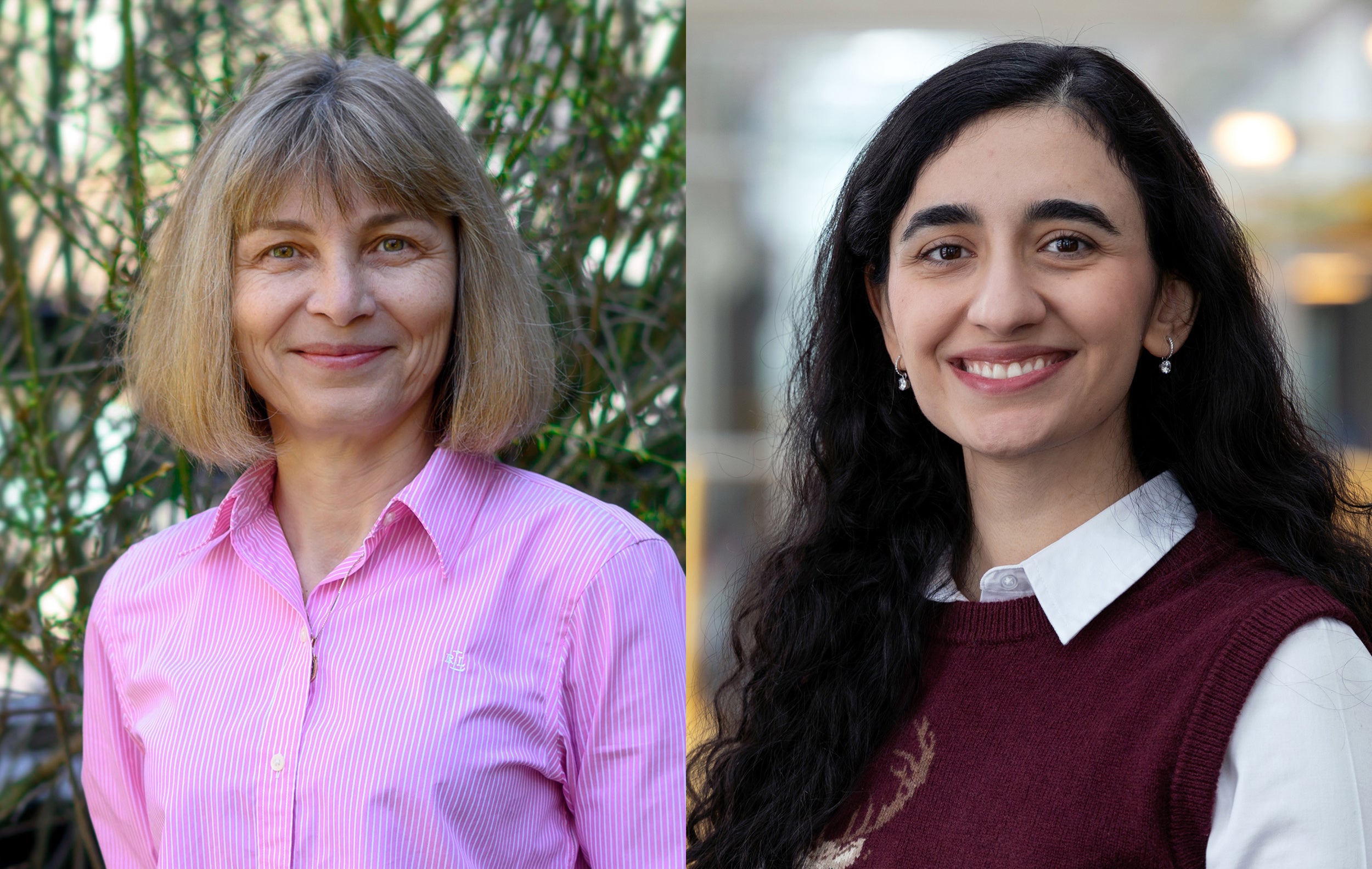
A research team comprised of Professor Lila Kari and PhD student Monireh Safari, along with colleagues at Western University and the University of Guelph, analyzed nearly 700 microbial extremophile genomes and found that bacteria and archaea, microbes that diverged roughly four billion years ago, can nonetheless exhibit strikingly similar genomic signatures when adapted to the same extreme conditions.
“We found that extreme environments can stamp a powerful, genome-wide watermark on DNA,” Professor Kari said. “Even microbes from the two most distant branches of life — bacteria and archaea — can end up with strikingly similar genomes, and in some cases we found these unlikely partners living side-by-side in the very same place.”