PhD Seminar • Quantum Computing | Quantum Information — Factoring Semi-primes With (Quantum) SAT Solvers
Please note: This PhD seminar will be given online.
Sebastian Verschoor, PhD candidate
David R. Cheriton School of Computer Science
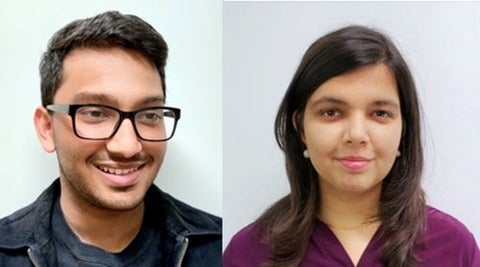
Sebastian Verschoor, PhD candidate
David R. Cheriton School of Computer Science
Manoj Sharma, Master’s candidate
David R. Cheriton School of Computer Science
By Marisa Benjamin, Research Communications Officer, The Games Institute
Motivated by previous research that found that elevator buttons are a huge source of contamination, a new study co-authored by a Cheriton School of Computer Science student presents a touchless elevator concept to slow the spread of COVID-19.
Pranjal Gupta, Master’s candidate
David R. Cheriton School of Computer Science
Margaret Foley, Master’s candidate
David R. Cheriton School of Computer Science
Alistair Hackett, Master’s candidate
David R. Cheriton School of Computer Science
We present TreeGen, an impure functional language designed to express, consume, and validate JSON-like documents, as well as generate text files. The language aims to provide a more reliable and flexible way to create customised Interface Definition Languages, since the current state of the art is implemented via monolithic, ad-hoc codebases which cannot easily be modified.
Ahmadreza Jeddi, Master’s candidate
David R. Cheriton School of Computer Science
Kin Pong (Kenny) Fung, Master’s candidate
David R. Cheriton School of Computer Science
Suppose you’re an archivist, librarian, or historian who’s trying to document and preserve for posterity a narrative of the COVID-19 pandemic or the ongoing Black Lives Matters protests. You’ll naturally be gathering documents from the web, and with tools available today it won’t be difficult to accumulate thousands or even millions of relevant records. How can you make sure that a scholar down the road can actually use the material that you’ve collected?
A world-leading University of Waterloo spinoff company, that decodes blood samples for potential treatments for illnesses like cancer and COVID-19, is expanding operations with the help of a $5-million USD investment.
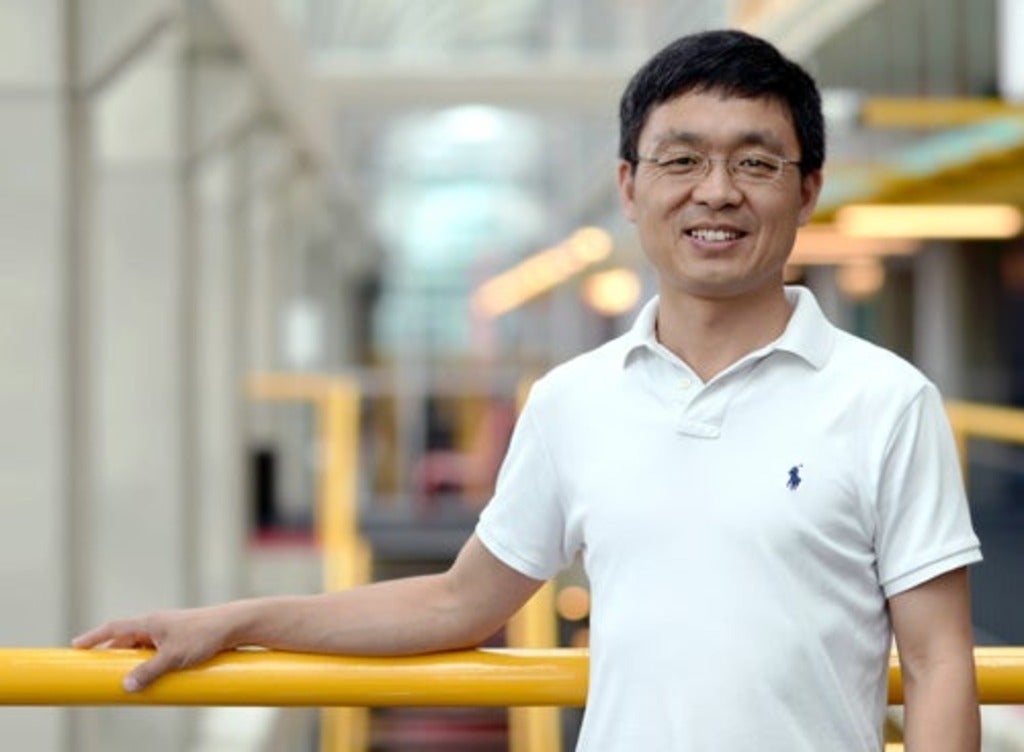
Bin Ma, a University of Waterloo computer science professor who cofounded Rapid Novor in 2015, says the company’s technology is the most advanced in the world when it comes to deciphering the complex workings of antibody proteins, a process called sequencing.