F26 CS 449/649 Project
Throughout the course, each project team works on a design challenge chosen at the beginning of the term, and designs a solution to solve the selected real-world problem. The final product is a high-fidelity prototype, and no implementation (i.e., programming) is involved. During the term, students design the final product through a series of phases including empathize, define, ideate, prototype, and test. More information about the deliverables can be viewed on the deliverables page.
The theme for course projects this year is Human-Computer Interaction and the City. Cities is evolving rapidly, especially over the past few years: the pandemic, demographic shifts, remote work, and climate change have all impacted the way we live, work, travel, and play within urban environments.
In this design project, students are encouraged to select one of relevant UN Sustainability Goals listed below and design an interactive experience or application that can contribute to fostering more livable, sustainable, and equitable cities.
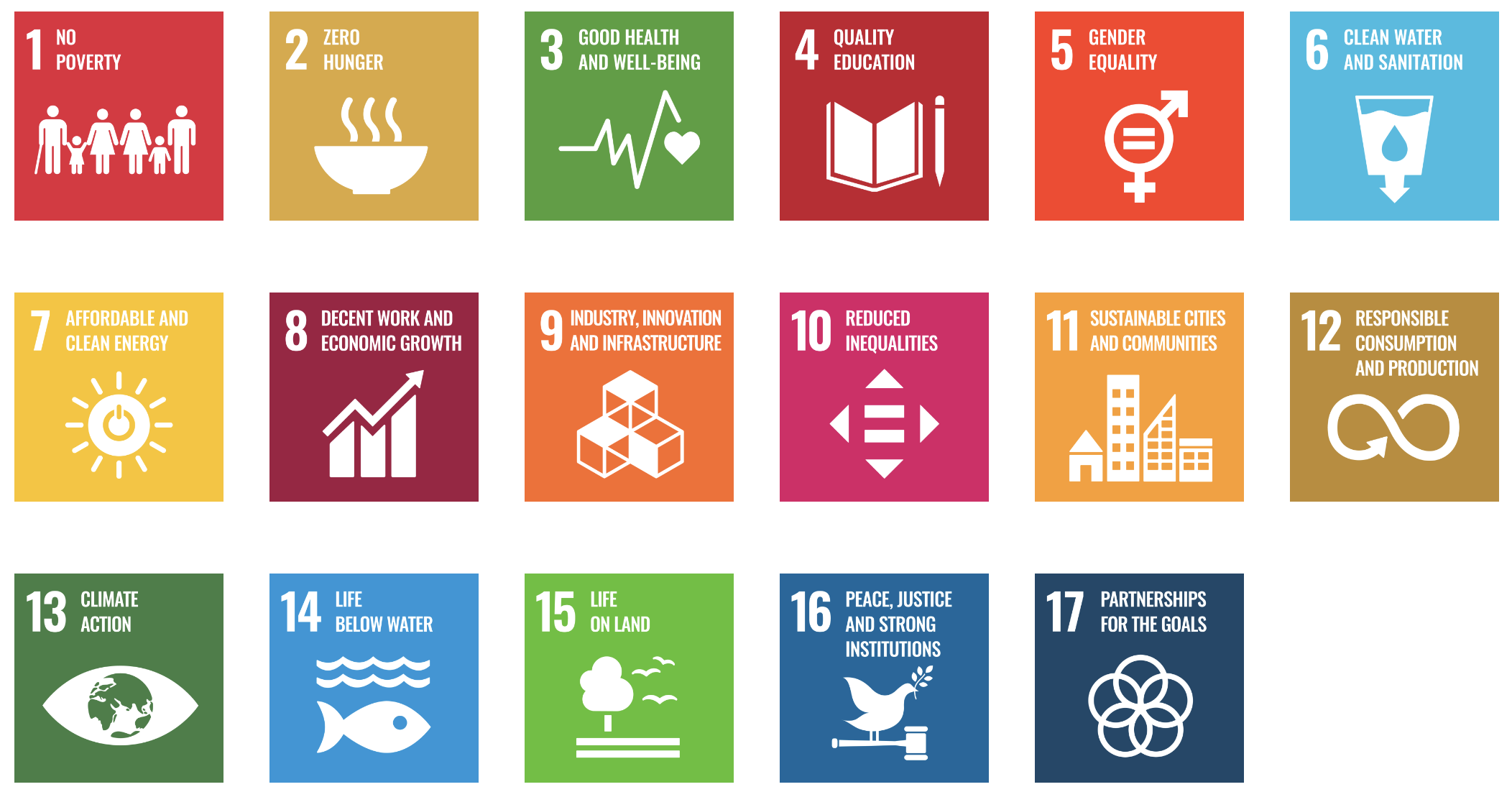
Project teams must choose from one of the subthemes (e.g., A: Economic) and one of the problem topics (e.g., A-3: good health and well-being). Selecting a topic other than those listed below (but still falling within a subtheme or relating to a different UN SDG) is allowed with instructor permission.
Subtheme A: Economic
a1 - no poverty
Example topics: high cost of living (e.g., housing, childcare), access to basic services, volunteer and charity opportunities, finding / living with roommates, …
a2 - zero hunger
Example topics: community gardens, food banks, nutrition education, access to local food producers, aquaponics, urban farming, …
a3 - good health and well-being
Example topics: fitness programs, mental health resources, access to healthcare, finding family doctors, public spaces and parklands, reducing loneliness, biking and walking, independent living for older adults,…
a4 - decent work and economic activity
Example topics: job training programs, entrepreneurship support, supporting local artists and artisans, local job markets, …
a5 - industry, innovation, and infrastructure
Example topics: inspiring the urban flâneur, urban data stewardship, land use, hyperlocal environmental sensing, …
Subtheme B: Social
b1 - quality education
Example topics: after-school programs, tutoring services, college preparation, resources for newcomers, artistic / creative spaces, …
b2 - reduce inequalities
Example topics: social equity, civic engagement, promoting / revealing intersectionality, participation in municipal decision-making, access to opportunities, confronting systemic barriers, addressing NIMBYism (Not In My Backyard), …
b3 - sustainable communities
Example topics: neighborhood initiatives, green spaces, local sustainability projects, public transportation, preserving local history and culture, helping people connect during crisis and disasters, …
Subtheme C: Environmental
c1 - responsible consumption and production
Example topics: energy and water use, waste reduction, recycling programs, supporting responsible local businesses, sustainable tourism, …
c2 - climate action
Example topics: preparing for and mitigating climate change impacts (e.g., flooding, wildfire), heat islands, air quality, cooling / warming centres, access to shade, tree planting, …
c3 - clean water and sanitation
Example topics: handwashing, public restrooms, public drinking sources, safe places to swim, …
Aim for impact: This course is the perfect place for you to spend time brainstorming and designing solutions for something that you personally care about. Your project should be aiming at having a positive and potentially lasting impact on your city and your community. In general:
- Identify a real-world problem in a specific use case.
- Decide on a core algorithmic functionality that can be leveraged to solve the problem.
- Design a novel experience that allows people to effectively interact with the algorithmic technique to complete tasks associated with the problem.
Further reading / inspiration: A City is Not a Computer: Other Urban Intelligences by Shannon Mattern (Princeton University Press, 2021), ebook available via uwaterloo library.